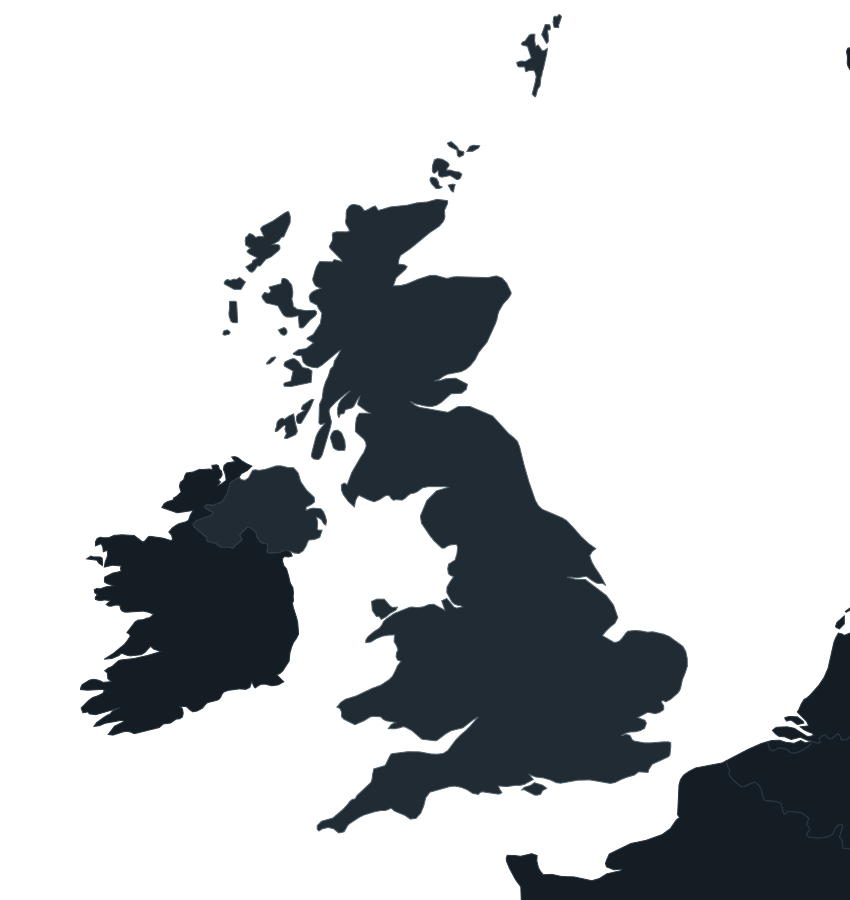
Geographic outline of the United Kingdom and neighbouring countries
+City mentions appear here as reports arrive
HOW THIS WORKS

A map of reporting, worldwide.

Every five minutes this page reads Google News searches for riots, unrest, clashes and looting in English, French, Spanish, Portuguese, Arabic, German, Italian, Turkish, Indonesian, Hindi and Russian, plus the world feeds of the BBC, Al Jazeera, The Guardian, France 24 and NPR. Reports from the last 14 days are kept.

An AI model (Claude Haiku) reads each new headline once. It keeps only reports of current riots, violent unrest, clashes, looting or protests with mass arrests, and drops war, terrorism, ordinary crime, sport, opinion and history. It also translates the headline into English and names the town or country. The original headline is shown on each expanded card. Reviews are capped at 3,000 a day; on very busy days some reports wait for the next day. Neither the search nor the review is independent verification, and a translation or place can be wrong.

Political view

Each outlet gets an AI estimate of its overall political lean within its own country, shown on a Left–Centre–Right scale and labelled as an estimate. Outlets the model does not recognise stay unrated. When several outlets cover the same story, the card counts how many lean left, centre and right, and marks a blind spot when one side is missing. These describe the outlet, not the article, and are not independent ratings.

Read the map with context

Pins are approximate town or country centres named by the review, not verified incident locations. Countries are shaded in the marker colour for the number of articles that mention a place in them. Only riot, clash, arson and looting reports set a country alight; the fire is hottest around the reported place, grows with the number of different outlets, and cools with age: bright flames for a few hours, embers after about a day, charred ground after a few days. Replay rekindles each place as its reports come in.

Coverage follows what news searches surface, so countries with less online news, or news in other languages, will be under-represented. A quiet country on this map is not evidence that nothing happened there.

Country outlines: Natural Earth (public domain). Map tiles: OpenFreeMap. See About and Privacy.

About the World Riot Map

A live map of riot and unrest reporting worldwide

The World Riot Map brings together news reports of riots, violent unrest, clashes with police, looting and arson from around the world, found through news searches in eleven languages and the world feeds of major English-language publishers.

How it works

Each new headline is checked once by an AI model, which keeps only reports of current unrest, translates the headline into English and names the town or country. Markers sit at approximate centres; countries are shaded by article count and burn for riot, clash, arson and looting reports, cooling as reports age.

Read reports with context

Every card links to its publisher and shows the original headline. Article totals count reports, not incidents. Coverage reflects what news searches surface, so some countries and languages are under-represented. For the UK in detail, see the UK riot map.